Most companies are adding AI tools. Almost none have redesigned how the company runs.
Thirteen years leading revenue and operations in B2B SaaS: VP of Global Sales through an 8-figure exit, then Chief Revenue & Operations Officer. In 2026 I built a company from scratch and ran it with 70+ AI agents, on a team of two. Now I do this for other companies as a fractional COO.
Start with an audit13 years B2B SaaS GTM·CRO & Operations Officer·8-figure exit as VP Global Sales·70+-agent fleet running a live company·open-source eval tooling
What I do
Fractional operations and revenue roles at B2B SaaS companies and funded startups. Ten to twenty hours a week, real ownership of the function.
Most of a company's operating layer is machine work: reporting, enrichment, pipeline hygiene, competitive intel, support triage. I rebuild it as agent workflows under written rules, quality gates, spending limits, and silent-failure tripwires. People keep the judgment calls.
It starts with an audit. If we continue, I run the function on retainer while I build the machine. What you keep is the point: an operating system with my judgment encoded in it, still working and learning after I leave.
Thirteen years, five countries
I've built and led GTM and operations teams in New York, Toronto, Amsterdam, Barcelona, and Rio de Janeiro.

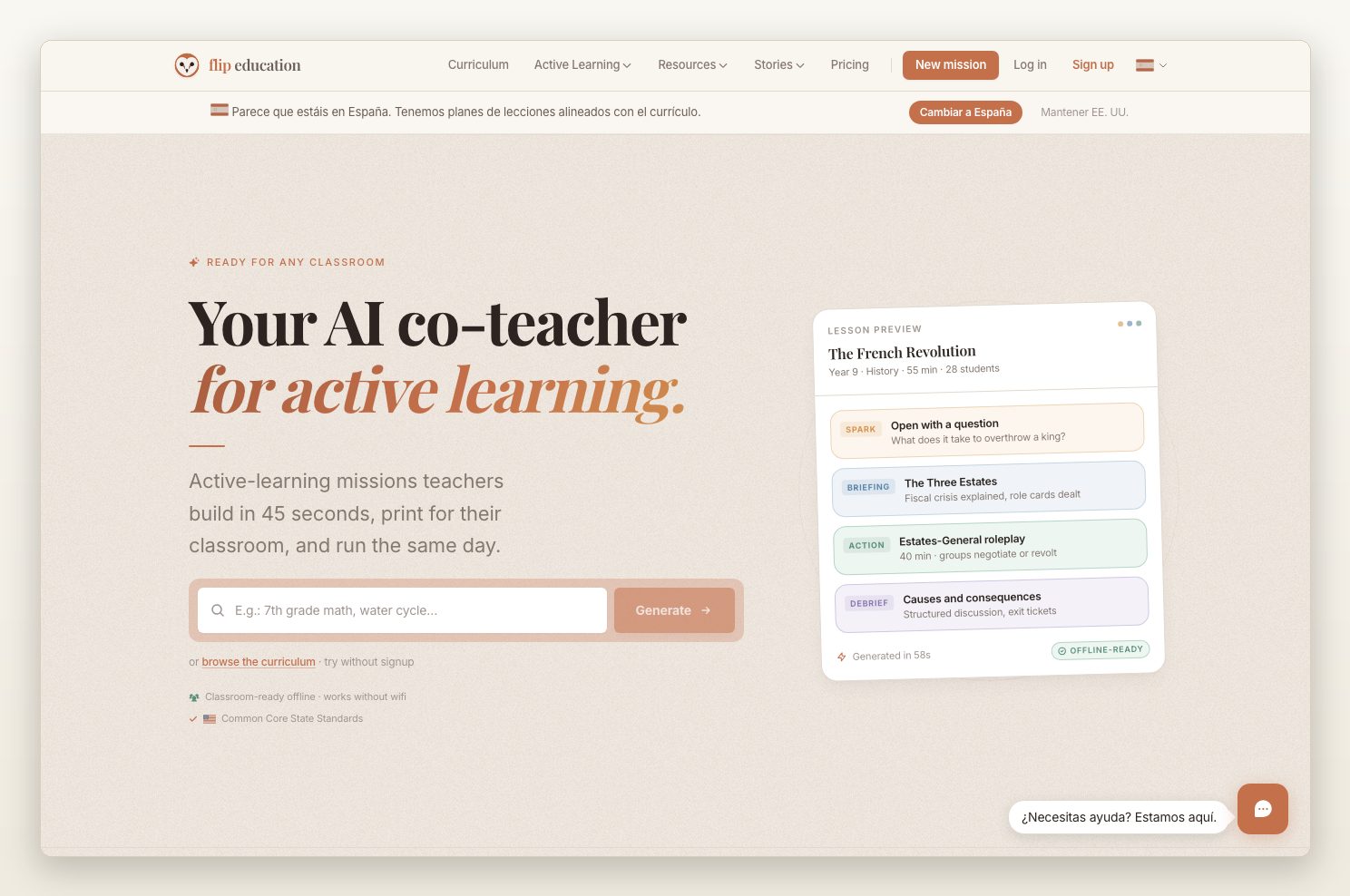
An AI co-teacher used in 18 countries and 11 languages. Two people built and ran it: a career educator on pedagogy, and me on everything else.
Launch took two months; by conventional staffing math, a year of work for a team of 15 to 20. Day to day, 72 scheduled agents ran the operation: marketing manager, data analyst, support triage, cost accountant, competitive radar. A written charter, 50 automated quality gates, continuous evals, a daily cost ledger.
None of it is education-specific. The operating system transfers. The model-evaluation tooling is open source if you want to see how I work.
The AI-Operations Audit
Two to three weeks inside your operation: where headcount is doing machine work, where your AI spend leaks, where automation would break things without governance. You get:
- A function-by-function map of what an agent workforce can carry, and what it shouldn't touch
- The reliability and cost gaps in what you've already built
- A sequenced plan with the economics: what to build, in what order, and what it replaces
Most audits turn into a retainer where I build what the plan describes. That decision sits with you, after you've read it.
Email me about an audit